Discover the Duty of AI in Encouraging Ethics and Stability to Combat Expert Threats Successfully
The combination of AI in organizational structures has actually become pivotal in resolving insider threats. By using sophisticated analytics and real-time monitoring, AI systems can recognize inconsistencies from honest behavior amongst workers (Insider threats). This aggressive technique not only boosts compliance yet likewise cultivates an atmosphere of trust. As firms increasingly count on these innovations, inquiries develop about their efficiency and potential ramifications for workplace society. What lies ahead in the evolution of AI's duty in promoting stability?
Recognizing Insider Dangers and Their Influence On Organizations
Organizations frequently concentrate on exterior threats, insider dangers posture a significant danger that can threaten security and integrity. These risks emerge from individuals within the company, such as service providers or employees, who may misuse their access to sensitive info for individual gain or harmful intent. The influence of expert hazards can be extreme, leading to financial losses, reputational damage, and lawful implications.
Factors contributing to insider hazards consist of frustration with the workplace, absence of oversight, and poor staff member training on safety procedures. Organizations commonly battle to recognize these dangers, as they can be tough to detect until significant damages has actually happened. Prevention techniques should focus on fostering a society of trust fund and responsibility, together with carrying out robust monitoring and reporting systems. By identifying and resolving the intricacies of insider threats, companies can improve their safety position and shield their beneficial possessions from internal threats.
The Advancement of AI in Work Environment Safety And Security
As companies significantly face diverse security obstacles, the integration of expert system (AI) in workplace safety has progressed considerably. AI applications concentrated mainly on automating standard safety and security methods, such as access control and monitoring. Developments in maker learning and data analytics have transformed AI into a positive device qualified of identifying potential risks and vulnerabilities in real-time.
Organizations currently utilize AI-driven systems to assess vast amounts of data, enabling them to spot anomalous habits that might suggest insider dangers. This development has actually caused the growth of advanced algorithms that can pick up from historical events, improving the system's predictive capabilities. Furthermore, AI devices are significantly used to simplify case action procedures, enabling safety and security teams to act promptly and properly.
Just How AI Monitors Worker Behavior for Ethical Conformity
Fabricated knowledge plays a necessary function in keeping track of employee actions to ensure ethical conformity within organizations. AI systems analyze vast quantities of data created by workers, including interactions, deals, and access to delicate information. By using sophisticated algorithms, these systems can recognize discrepancies from developed honest standards and business plans.
Maker learning versions continuously adjust to recognize patterns of habits that might suggest ethical violations, such as unapproved data accessibility or uncommon transaction activities. Insider threats. Additionally, AI-driven tools can supply real-time notifies to administration, assisting in prompt interventions when possible risks are identified
The combination of AI right into compliance tracking not just boosts the company's capability to promote integrity however additionally fosters a culture of liability amongst employees. By promoting transparency, AI systems function as a deterrent versus unethical habits, making sure that staff members remain lined up with business worths and moral criteria.
Examining Patterns: Recognizing Risky Actions With AI
An expanding variety of organizations are leveraging AI to evaluate patterns that may indicate high-risk habits among employees. By utilizing innovative algorithms, these systems can sort through huge amounts of information, identifying abnormalities in individual behavior that can recommend prospective insider hazards. For circumstances, AI can find uncommon access patterns to delicate info, such as workers accessing files outside their common range of work or throughout atypical hours. In addition, behavior analytics can highlight frequent modifications in an employee's interaction style or partnership habits, which might signify underlying concerns. This proactive technique enables companies to pinpoint danger variables before they intensify right into considerable hazards. The combination of AI right into checking practices not only improves protection but also promotes a society of liability and moral behavior. By identifying these patterns, organizations can much better recognize the behavior characteristics within their labor force, inevitably promoting a safer and much more honest job atmosphere.
Real-Time Insights: Immediate Feedbacks to Possible Hazards
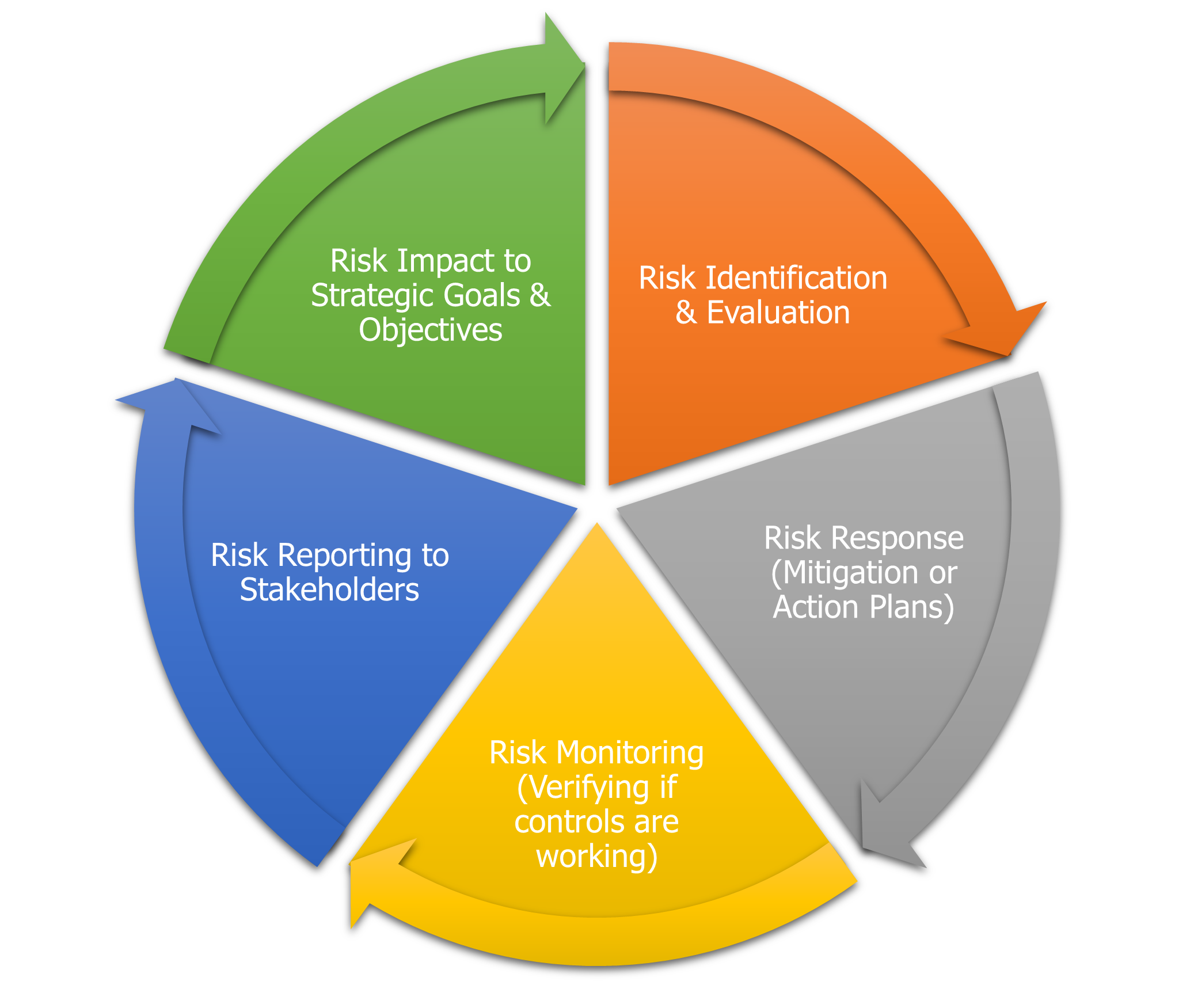
Real-time understandings via anticipating analytics and automated sharp systems play an essential role in dealing with potential risks to ethics and integrity. By leveraging these innovations, organizations can anticipate high-risk actions and react without delay to minimize threats. This positive method boosts responsibility and promotes a culture of integrity in various settings.
Predictive Analytics Applications
Automated Alert Systems
Predictive analytics supplies a structure for companies to improve their responsiveness to moral problems via automated sharp systems. These systems utilize real-time information to monitor activities, discovering abnormalities that might symbolize possible expert dangers. By leveraging maker discovering formulas, automated informs can determine patterns of habits that depart from established norms, permitting speedy treatment. This immediacy is crucial in mitigating threats connected with dishonest methods. Automated alert systems can simplify interaction among pertinent stakeholders, making sure that prospective risks are resolved immediately and efficiently. As companies significantly rely upon AI-driven options, the combination of automated sharp systems will certainly play an essential role in cultivating a culture of ethics and stability, ultimately guarding organizational properties.
Fostering a Society of Count On Via AI-Driven Transparency
AI-driven openness can greatly improve trust within organizations by advertising accountability and open communication. Via real-time monitoring remedies, stakeholders can gain understandings right into processes and decision-making, promoting a society of integrity. Data-driven decision-making additionally sustains this transparency, allowing educated choices that line up with moral standards.
Enhancing Transparency and Responsibility
How can organizations successfully cultivate a culture of count on? By improving openness and liability through the tactical use fabricated intelligence. AI can help organizations systematically track decision-making procedures, making certain that activities align with recognized moral standards. This transparency allows employees to see the rationale behind policies and decisions, decreasing uncertainty and promoting a sense of fairness. Additionally, AI-driven tools can help with clear communication regarding responsibilities and expectations, empowering people to take possession of their activities. As responsibility ends up being deep-rooted in the organizational culture, staff members are get redirected here extra most likely to participate in ethical behavior, knowing their activities are kept an eye on and examined. Eventually, this method cultivates a setting where depend on can grow, significantly reducing the risk of expert dangers.
Real-Time Monitoring Solutions
As companies progressively seek to cultivate a society of count on, real-time monitoring remedies become a pivotal device in improving openness. These AI-driven systems constantly track tasks, supplying insights right into customer habits and potential abnormalities that might suggest insider dangers. By executing such surveillance options, organizations can proactively determine threats, making sure prompt actions to suspicious tasks. This not just safeguards delicate info yet also enhances a commitment to honest techniques. Furthermore, the clear nature of real-time monitoring assists construct employee confidence, as people realize that their actions are being observed for the higher good. Ultimately, these options offer to grow a workplace environment grounded in count on, liability, and moral integrity, vital for minimizing expert threats efficiently.

Data-Driven Choice Making
Real-time monitoring services prepared for data-driven choice production, which substantially improves organizational transparency. By leveraging AI modern technologies, organizations can analyze large amounts of data to identify patterns and anomalies indicative of potential expert hazards. This logical strategy makes it possible for stakeholders to make enlightened choices grounded in empirical evidence, cultivating a society of depend on amongst workers. Transparency in decision-making processes, bolstered by AI-driven insights, urges liability and honest habits. Furthermore, it enables organizations to proactively attend to susceptabilities, making sure that actions taken are justified and connected clearly. Because of this, the execution of data-driven approaches not just reduces risks related to insider threats yet likewise reinforces the worths of integrity and moral conduct within the organizational structure.
Future Patterns: The Role of AI in Enhancing Office Ethics
While organizations significantly turn to expert system for functional performance, the capacity of AI to enhance office ethics is getting importance. Future fads suggest that AI will certainly play a crucial function in creating moral frameworks and standards, allowing organizations to browse complex ethical dilemmas. By examining vast amounts of information, AI can identify patterns of dishonest actions and offer understandings that advertise transparency and responsibility.
Moreover, AI-driven tools can assist in real-time surveillance of employee interactions, ensuring adherence to moral standards. This aggressive approach not only reduces insider dangers yet additionally grows a society of honesty. As organizations embrace AI technologies, they should likewise prioritize ethical shows and algorithmic bias decrease to guarantee justness.
In this progressing landscape, Go Here the assimilation of AI in moral techniques stands for a transformative change, promoting an atmosphere where stability is not simply expected but systematically reinforced.
Regularly Asked Inquiries
Just How Does AI Differentiate In Between Benign and Malicious Actions?
AI separates in between benign and harmful actions by analyzing patterns in user actions, utilizing artificial intelligence algorithms to identify abnormalities, and reviewing contextual data to determine whether activities line up with recognized norms or show prospective risks.
Can AI Tools Replace Human Being Judgment in Honest Decision-Making?
AI devices can not completely replace human judgment in moral decision-making. While they can examine data and recognize patterns, the nuanced understanding of context, values, and ethical ramifications still requires human understanding and discernment.
What Are the Privacy Effects of AI Checking Worker Actions?
How Can Organizations Guarantee AI Algorithms Are Fairly Made?
Organizations can guarantee AI algorithms are fairly created by applying transparent development processes, including diverse stakeholders, carrying out normal audits, and sticking to well-known ethical frameworks that prioritize fairness, accountability, and respect for user privacy and rights.
What Training Is Needed for Staff to Understand Ai's Ethical Role?
Staff training should encompass foundational AI values, information personal privacy, and prejudice recognition. Workshops, instance research studies, and interactive sessions can improve understanding, making sure workers recognize AI's ethical implications and its duty in cultivating stability within the organization.
Synthetic intelligence plays an essential role in monitoring staff member actions to assure ethical conformity within companies. The combination of AI into monitoring practices not just improves safety and security yet likewise special info fosters a society of responsibility and honest behavior. While companies increasingly encounter honest problems and potential stability breaches, anticipating analytics applications provide prompt insights that can aid alleviate these risks. Anticipating analytics offers a foundation for organizations to improve their responsiveness to ethical worries through automated sharp systems. Future trends suggest that AI will certainly play a necessary role in creating ethical frameworks and standards, allowing companies to browse complex ethical dilemmas.